Short version: When you bring us another shop’s estimate, we start with your car’s actual symptoms instead of just re-quoting the list. Commission pay for service advisors and flat-rate pay for technicians create industry-wide pressure to sell services cars don’t need—the classic “wallet flush.” We inspect the vehicle first and only quote work your car actually needs.
When you call us for an auto repair second opinion in Portland after a dealership visit, you’ll often hear us say: “Let’s start fresh. What symptoms are you actually experiencing?”
That’s not because we think you’re wrong. It’s because dealership service recommendations often include work your car doesn’t need—and we don’t want to quote you for a wallet flush.
Why Get an Auto Repair Second Opinion in Portland Before Approving Repairs
The repairs you’ve been told you need may include parts and services your car doesn’t actually require yet. We’ll review the diagnosis with you and explain what’s urgent, what can wait, and what’s optional.
What’s a “Wallet Flush”?
The term comes from the automotive industry itself. Click and Clack from Car Talk once joked that a dealership’s flush machine should be called the “Bilstein R-2000 Wallet Flush System.”
Here’s how it works: You bring your car in for an oil change. By the time you leave, you’ve been told you need a transmission flush, a coolant flush, a power steering flush, a fuel system cleaning, and maybe a cabin air filter. The bill goes from $80 to $800.
The real driving force behind these recommendations isn’t your car’s maintenance schedule—it’s profitability. A mechanic can do a series of fluid flushes in half the time of a real repair, with little effort or liability, and make far more money.
https://www.underhoodservice.com/fluid-service-avoiding-the-wallet-flush
Service Advisors Work on Commission
This is the part most people don’t know: service advisors at dealerships and many independent shops earn commission on every service they sell.
Many service advisors earn little or no base salary—their income comes from a percentage of each repair order. One Florida dealership example showed a service advisor earning $8/hour base pay plus 2.5% commission on all services sold. This pay structure is common industry-wide, not just at dealerships.
That doesn’t mean every service advisor is dishonest. But the compensation structure creates pressure to recommend services whether your car needs them or not.
As Consumer Reports puts it: “Service departments are a profit center for the dealership.”
Technicians Work on Flat Rate
It’s not just the service advisors. Most technicians at dealerships and independent shops are paid “flat rate”—meaning they’re paid per job, not per hour.
Here’s how it works: Each repair task is assigned a “book time” (say, 2.5 hours for a brake job). The technician gets paid for 2.5 hours whether the job takes them 1 hour or 4 hours. Finish fast, make more money. Slow day with no work? You might go home with almost nothing.
The problem is that flat rate rewards speed over thoroughness—and creates pressure to recommend additional work. As one industry analysis put it: “In an effort to maximize billable hours, there’s a temptation to recommend unnecessary services or push for premature repairs.”
https://www.kimoby.com/blog/flat-rate-pay-mechanics
The system also discourages the kind of careful diagnostic work that hybrids and EVs require. Why spend an hour tracking down an intermittent electrical issue when you could knock out three quick fluid flushes in the same time and get paid triple?
A recent survey of 35,000 technicians found that flat rate pay is a leading cause of job dissatisfaction—and a key reason techs leave the industry entirely. We refuse to play this game with our staff, and we pay them for working and doing the work to our standards, not rushing trying to make flat rate hours
The Test Tube Trick
Some shops will show you test tubes of fluid samples and pH strips whose color change “proves” you’re seconds from disaster. These testing kits are often provided by flush machine manufacturers—the same companies that profit when you say yes.
The harder the sell, the more you should resist.
What’s Actually Unnecessary vs. Legitimate
Often unnecessary:
- Engine oil flushes pump heated solvent through your engine to “wash away sludge.” If you change your oil regularly (every 5,000 miles), you shouldn’t have significant sludge buildup. The flush is redundant.
- Power steering fluid replacement is not listed in most manufacturers’ maintenance schedules. There are exceptions, but blanket recommendations are usually upsells.
- Fuel system cleaning is rarely needed with modern fuel injectors and detergent gasoline.
Sometimes legitimate:
- Brake fluid flush is actually required by many manufacturers every 2 years to remove corrosive moisture.
- Transmission fluid may need service at 30,000-60,000 mile intervals depending on the vehicle and driving conditions—but check your owner’s manual, not the service advisor’s recommendation.
- Coolant flush has legitimate intervals, but they’re typically every 5 years or 100,000+ miles on modern vehicles—not every oil change.
Why We Want to Start Fresh
When you come to us with a dealer estimate, we’re not trying to second-guess you. We’re trying to separate what your car actually needs from what someone was incentivized to sell you.
Here’s our approach:
- We ask about symptoms. What made you bring the car in originally? Is there a warning light? A noise? A performance issue?
- We check your maintenance history. If you’ve been maintaining the car properly, many of those flushes are redundant.
- We reference the manufacturer’s schedule combined with our practical experience to determine what maintenance your car needs. Nobody makes more or less money based on what work you have us perform. Most of our reviews mention the lack of “upselling” for a reason!
- We show you what we find. If something needs attention, we’ll show you why. No test tubes, no scare tactics.
Consumer Reports surveys found that almost a quarter of dissatisfied car owners reported their shop sold them unnecessary parts or service. We don’t want to be that shop—even if the unnecessary recommendation came from somewhere else.
https://www.consumerreports.org/car-repair-maintenance/5-tip-offs-to-mechanic-rip-offs
The Bottom Line
Shops that use these pay structures aren’t evil. Some service advisors are honest and knowledgeable. But the commission and flat rate systems are industry-wide, and they mean you can’t assume every recommendation is in your best interest.
When you call us for a second opinion, we’re happy to review what the dealer recommended. Just don’t be surprised if our quote looks different—because we’re only going to charge you for work your car actually needs, and often we need to inspect the vehicle to be able to give you our honest opinion!
Related reading:
- Fluid Service: Avoiding the Wallet Flush – UnderhoodService
- Car Dealership Service Advisors Are Making Money From the Services Being Recommended to You – NC Consumer Council
- How to Spot Car Mechanic Rip-Offs – Consumer Reports
- Car Owners Favor Independent Repair Shops – Consumer Reports
- Is Flat Rate Pay Costing You Mechanics and Customers? – Kimoby
- Flat Rate is a Setup for Failure – M5 Management Services
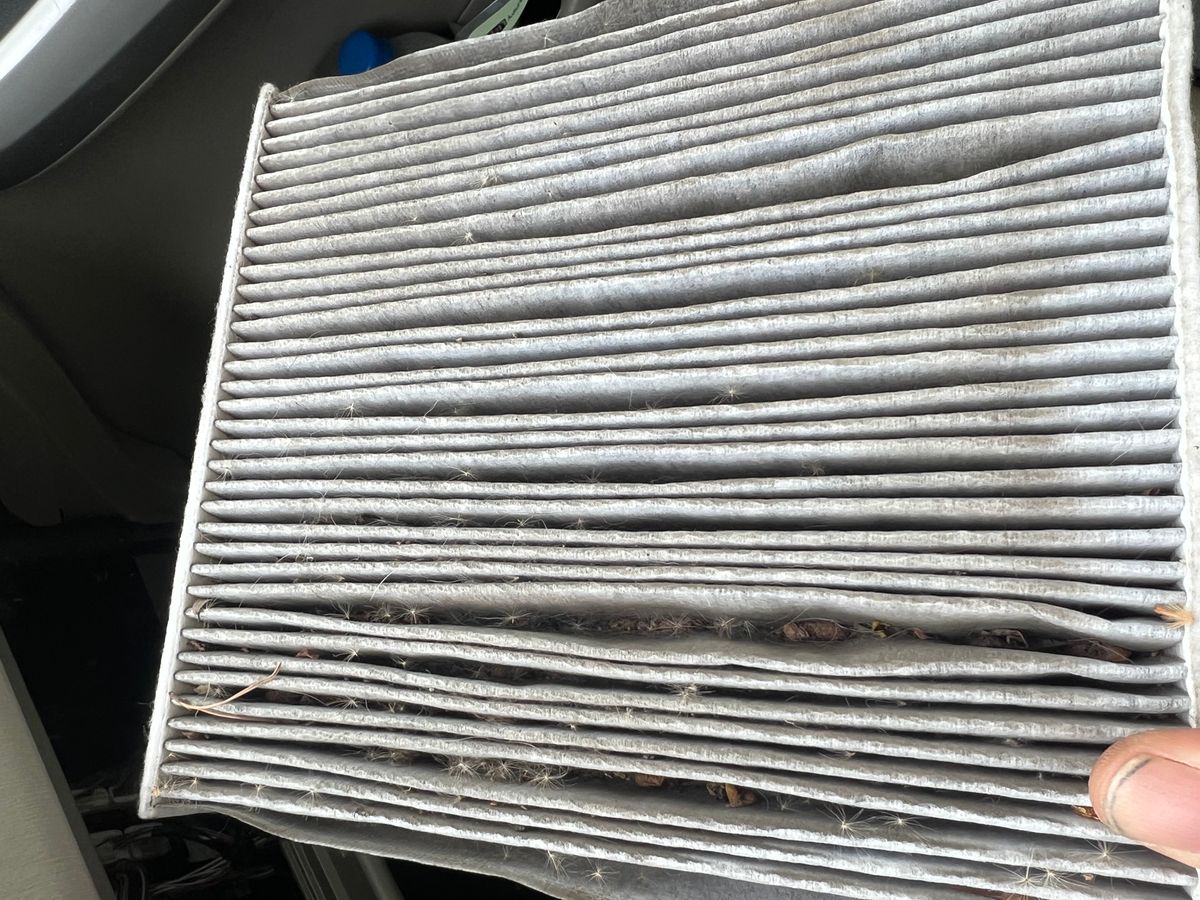
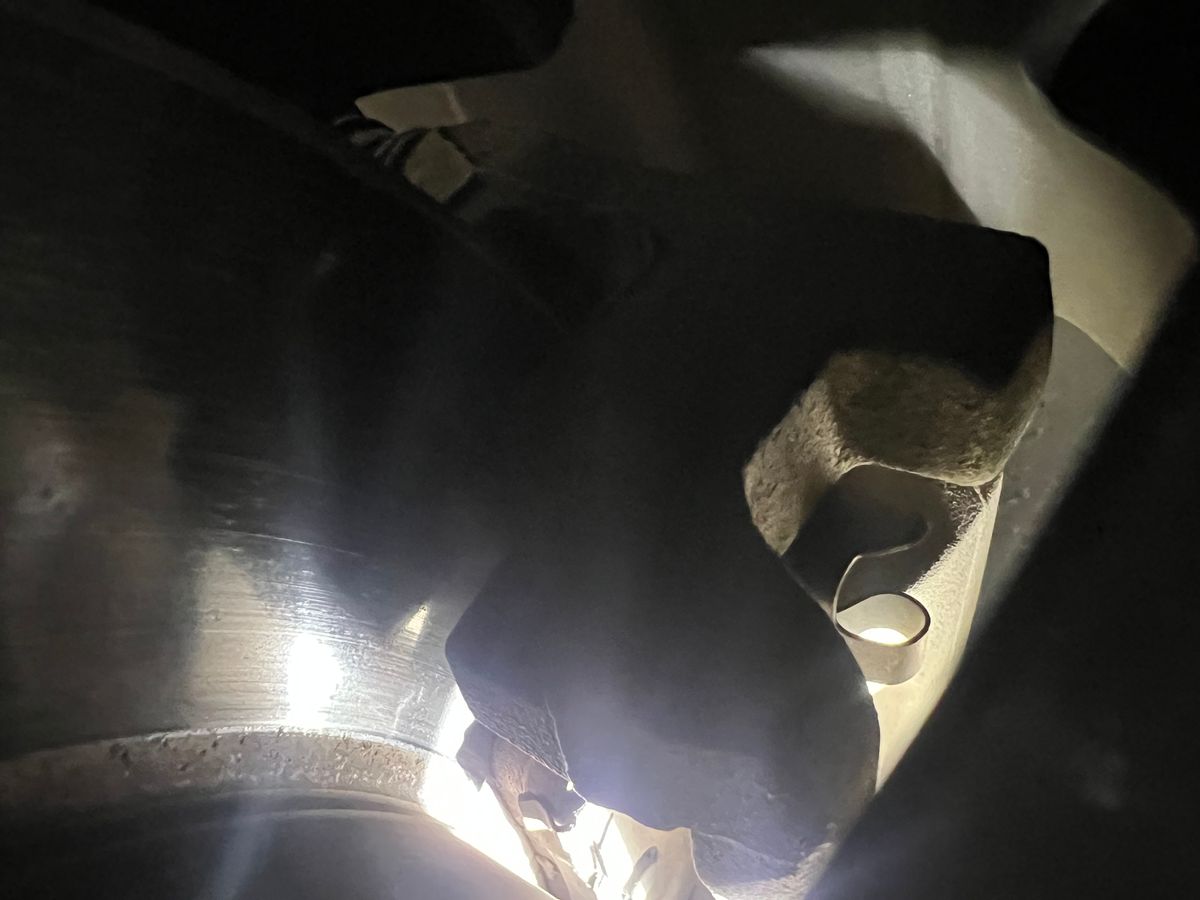
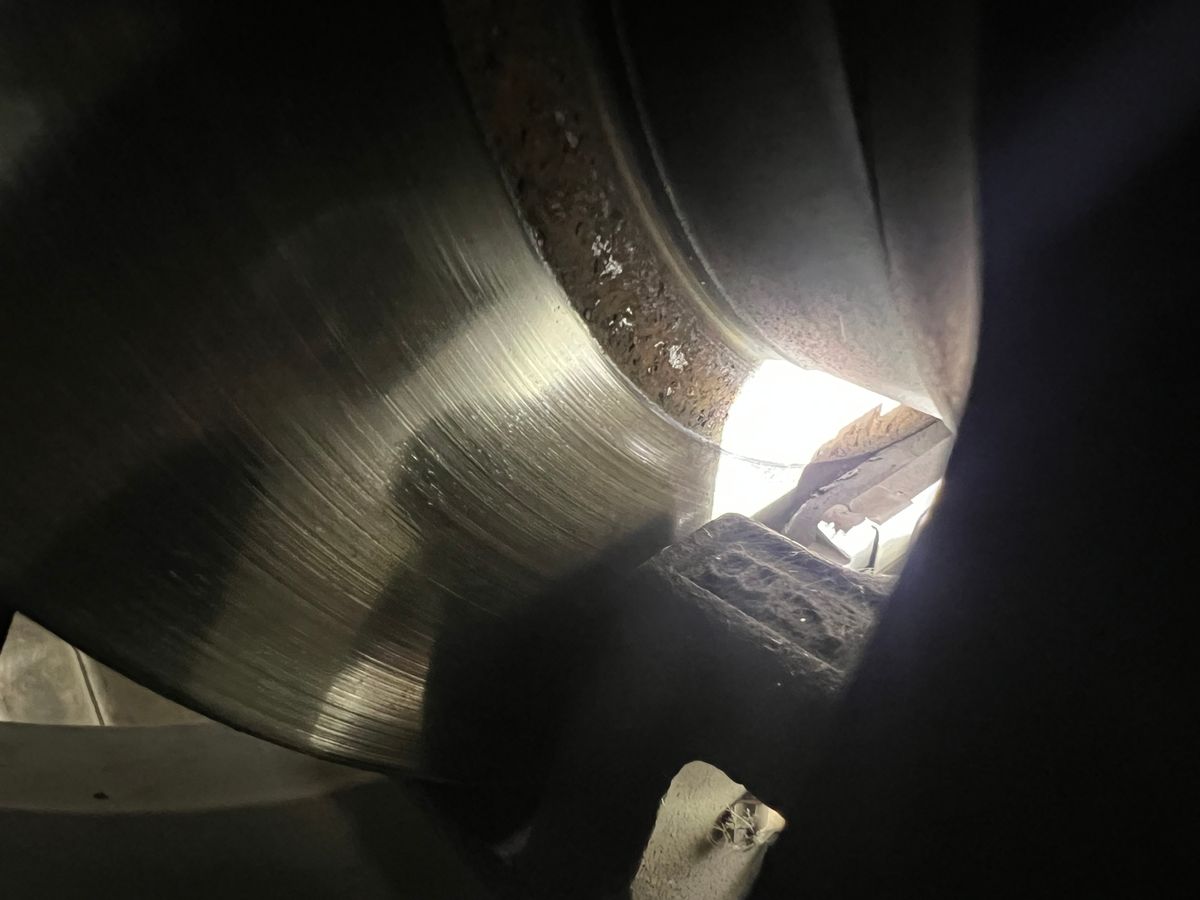
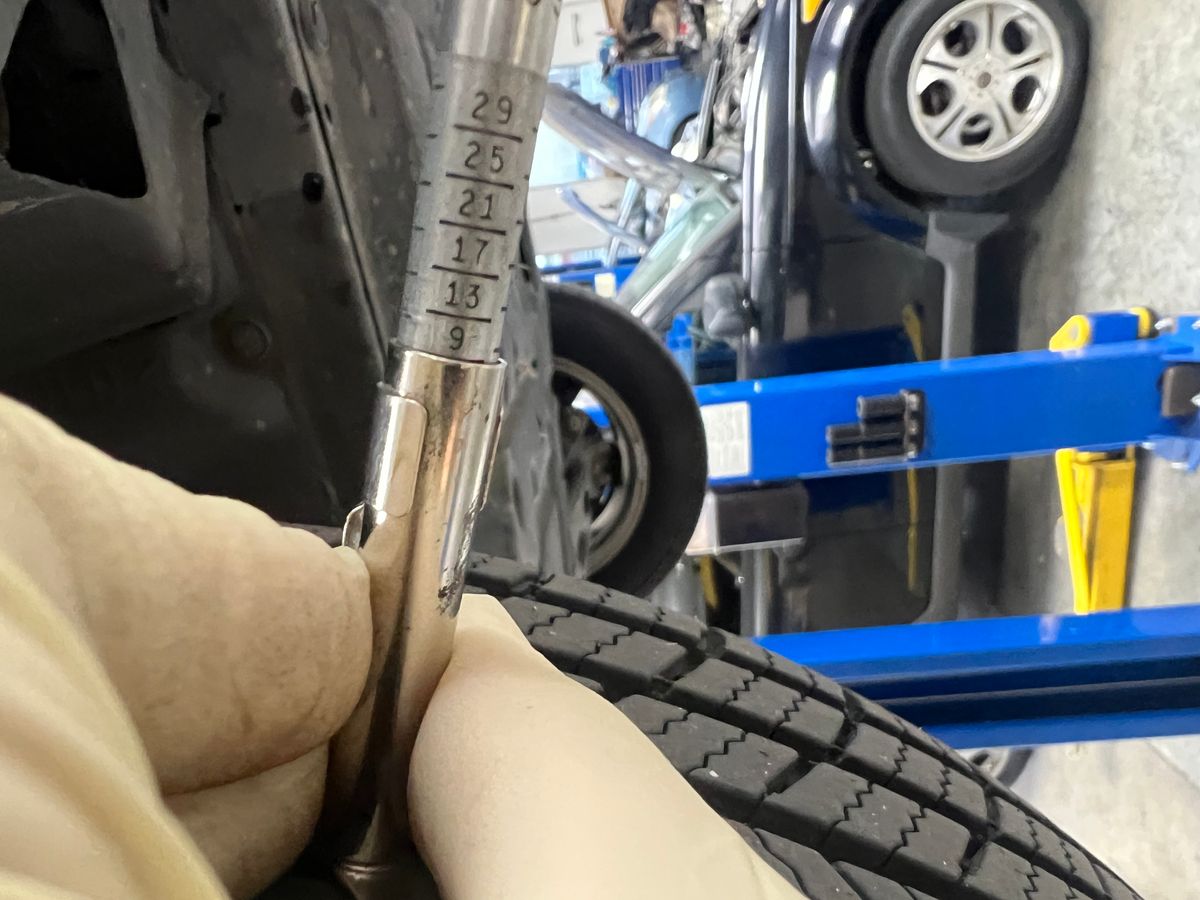
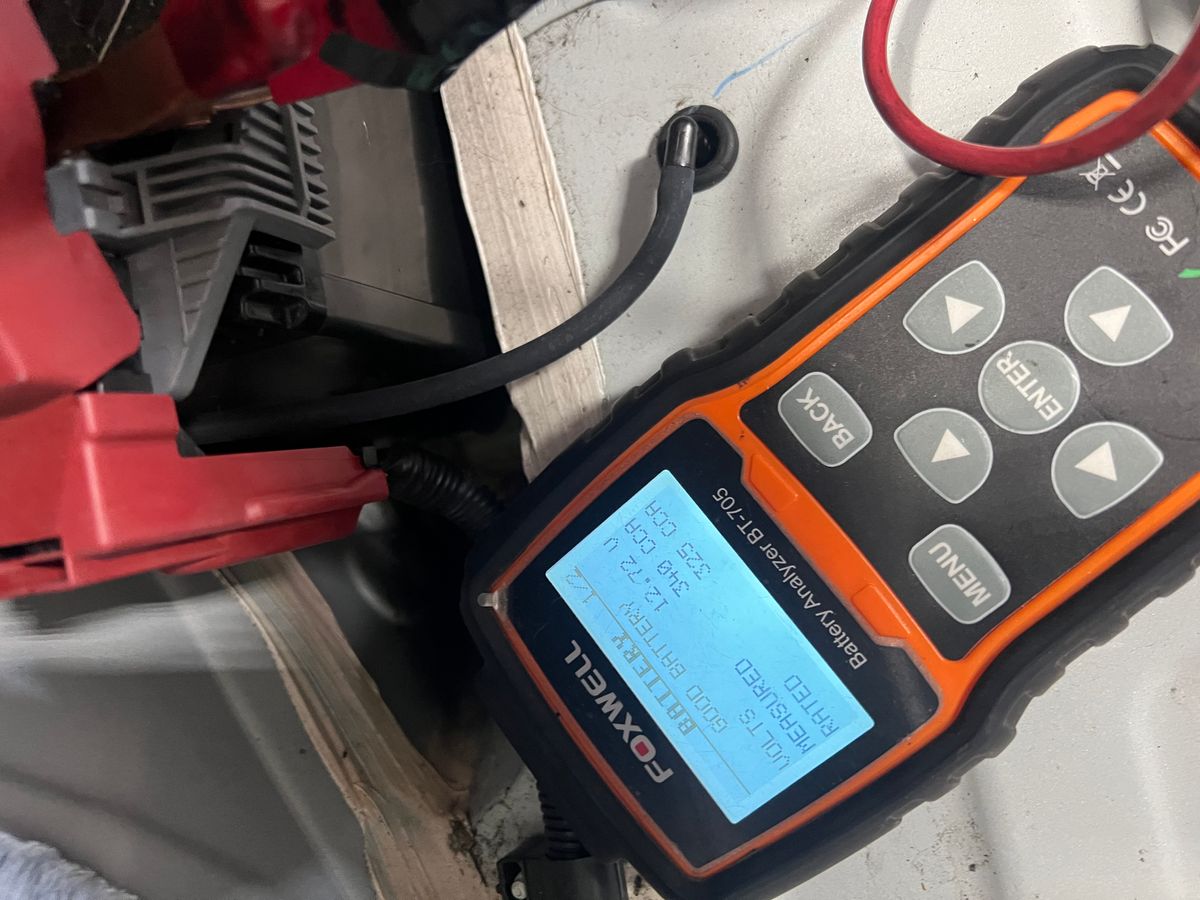
Photos from our shop
Frequently Asked Questions
Why won’t Atomic Auto just quote what another shop diagnosed?
Because we usually need to inspect the vehicle to give you an honest opinion. Starting from another shop’s list means quoting work your car may not actually need. We would rather start with the symptoms that made you bring the car in, check your maintenance history against the manufacturer’s schedule, and show you what we actually find.
Do I have to pay for another diagnostic if another shop already diagnosed my car?
We charge for diagnostic time, because the inspection is what separates the work your car actually needs from work someone was incentivized to sell. Nobody here makes more or less money based on what work you end up having done, so the diagnosis is not a sales tool.
Related reading
- How We Diagnose Toyota Hybrid Problems: The 6-Step Process
- The 4mm Myth: Why Your Hybrid Brakes Are Different
- I Need Control Arm Bushings: What You Need to Know
- Toyota Oil Leak vs Oil Seep: How to Tell the Difference
- Mice in Your Toyota! Prevention, Detection, and Solutions
- The 2004-2009 Prius Triangle of Death
Questions about your car? Text us at 503-969-3134 — it’s the fastest way to reach us.
About the author: Travis Decker is the owner of Atomic Auto in Portland, Oregon, and an ASE Master Technician (L1, L3). Atomic Auto specializes in Toyota, hybrid, and EV service.