
Short version: Surface cracks on control arm bushings are a sign of age, not failure — and they look far worse on a lift because the suspension is hanging. A bushing only needs replacement when the rubber is torn through, separated from the metal sleeve, or causing clunking, play, or alignment problems. We inspect them every 5,000 miles and only recommend replacement when it is actually needed.
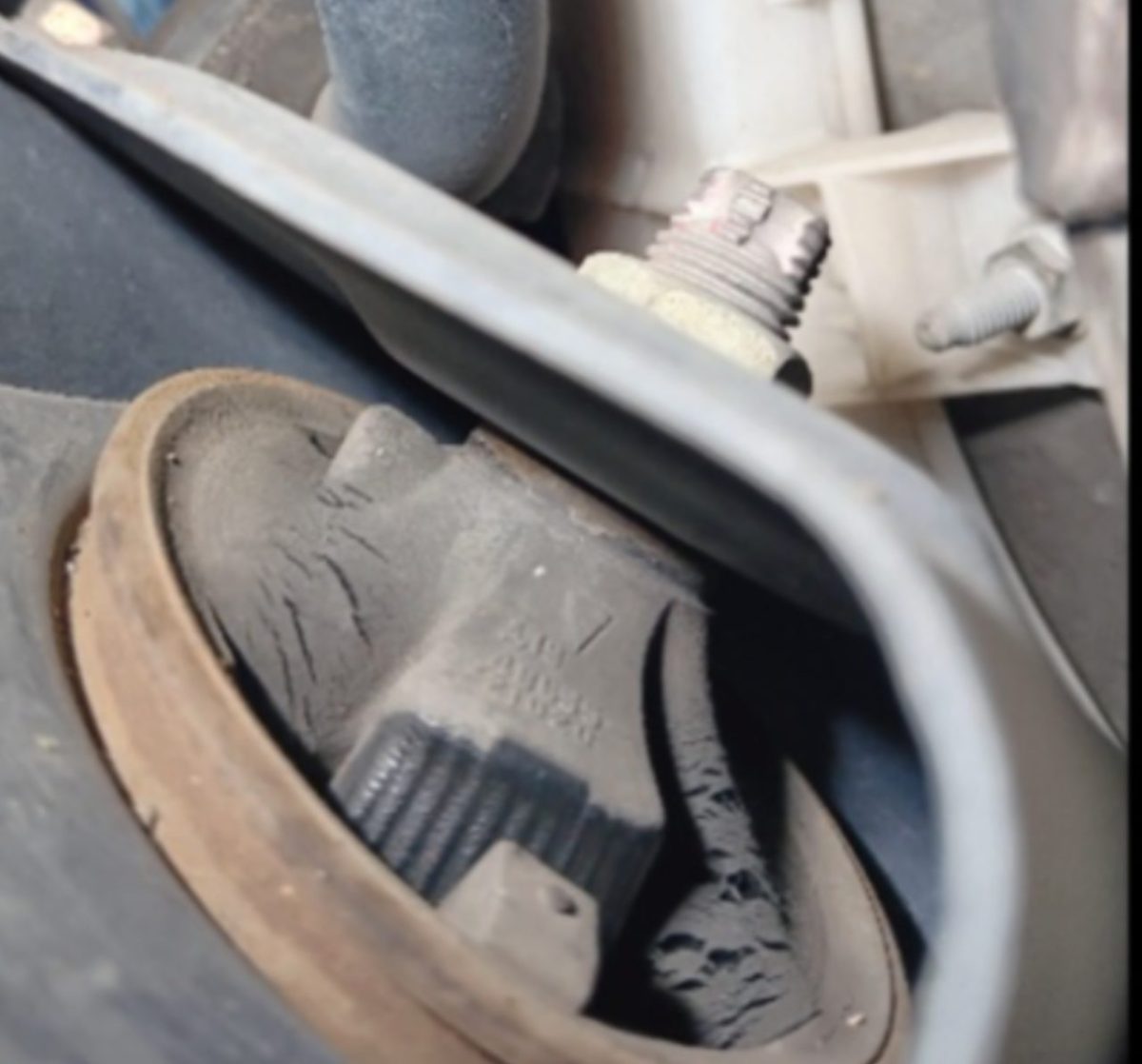
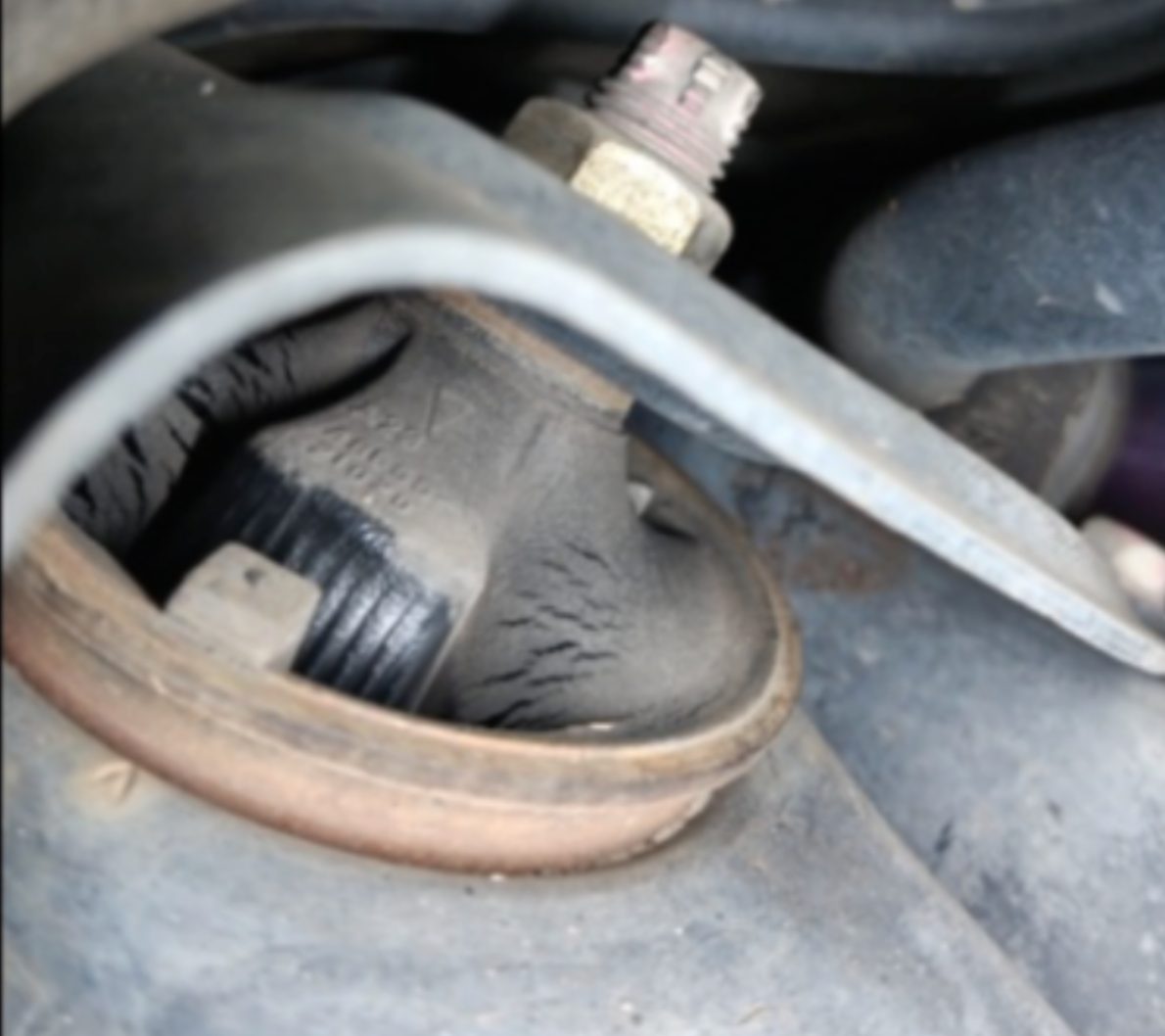
At Atomic Auto, we believe in repairing what’s broken and maintaining what’s not. One of the most common “scare tactics” in the auto industry involves front lower control arm bushings. If you’ve been told elsewhere that your bushings are “failing” because of surface cracks, here is the truth behind those photos.
Common Questions
Why do my bushings look so cracked?
Rubber is a natural material that ages. Over time, the outer layer of a rubber bushing will develop surface weather-checking (small cracks), similar to the sidewall of an older tire.
Furthermore, when your car is on a mechanic’s lift, the wheels hang down much further than they do when driving. This stretches the rubber and “opens up” those surface cracks, making them look far more dramatic than they actually are. Surface cracking is a sign of age, not necessarily a sign of failure.
Why did another shop tell me I need to replace them immediately?
Many large chain shops pay their service advisors and technicians on commission. This creates an incentive to find “easy sales.”
Because control arm bushings are easy to photograph and look “scary” to an untrained eye, they are a primary target for unnecessary recommendations. They are also typically an easy profitable job for shops to upsell.
How do I know if I actually need control arm bushings?
A bushing is only considered “failed” and in need of replacement when:
- The rubber has completely separated from the metal sleeve.
- There is excessive “play” or movement in the wheel that affects your alignment or handling.
- You hear audible clunking or knocking noises when driving over bumps or braking.
- The rubber is torn through, not just cracked on the surface.
Keep in mind that symptoms like clunking over bumps, vague steering, or uneven tire wear can also come from other suspension parts. A proper inspection should confirm a torn or separated bushing before anyone recommends replacement.
What happens if I ignore worn control arm bushings?
If a bushing has truly failed — torn through or separated, not just surface-cracked — ignoring it can lead to accelerated tire wear, an alignment that cannot be corrected, reduced handling stability, and additional stress on other suspension components. That is the point where replacement is real maintenance, not an upsell — and it is exactly what we watch for at every inspection.
How do we handle this at Atomic Auto?
We perform an inspection of your suspension every 5,000 miles with our Intermediate service! We monitor the aging process: We keep an eye on those surface cracks over time.
- We prioritize your safety: If we see the rubber starting to tear or separate to the point of affecting your safety or tire wear, we will show you exactly why it’s time to replace them.
- No Pressure: We will never recommend a repair just because a part “looks old.” If it’s still doing its job, we’ll tell you to keep your money in your pocket.
Expert Tip: If a shop shows you a photo of a “cracked” bushing while the car is in the air, ask them to show you the bushing again once the car is back on the ground. You’ll often see those “scary” cracks almost entirely disappear.
These are NORMAL bushings that a client called us about as a tire shop was saying they could not align the car due to this cracking…. Completely unneeded!
Related reading
- The 4mm Myth: Why Your Hybrid Brakes Are Different
- Why We Don’t Just Quote What the Other Shop Told You
- A tire chain said urgent brakes and tires at 47,000 miles. Here’s what we found.
- How We Diagnose Toyota Hybrid Problems: The 6-Step Process
Questions about your car? Text us at 503-969-3134 — it’s the fastest way to reach us.
About the author: Travis Decker is the owner of Atomic Auto in Portland, Oregon, and an ASE Master Technician (L1, L3). Atomic Auto specializes in Toyota, hybrid, and EV service.