
Short version: A 2009 Prius showed the red triangle right after an oil change and wouldn’t run — codes P3190 and P3191 pointed to fuel trouble, but the tank had plenty of gas. The real cause was rat droppings that had fallen onto the MAF sensor during the filter inspection, plus a genuinely dead 12v battery. We cleaned the sensor, replaced the battery, and the car ran normally.
A 2009 Prius with 185,000 miles came in on a tow truck. The owner had just left an oil change when the red triangle lit up on the dash. AAA showed up and tested the 12v battery, which was only putting out around 6 volts. They jumped it. The car still wouldn’t run. A new battery clearly wasn’t going to fix this one, so the owner had it towed to us.
What we found
We jump started the car and pulled codes P3190 (poor engine power) and P3191 (fuel run out). The fuel gauge showed plenty of fuel in the tank, so we weren’t actually out of gas. Since the car had just been serviced, we opened up the air box to take a look. Inside we found debris.
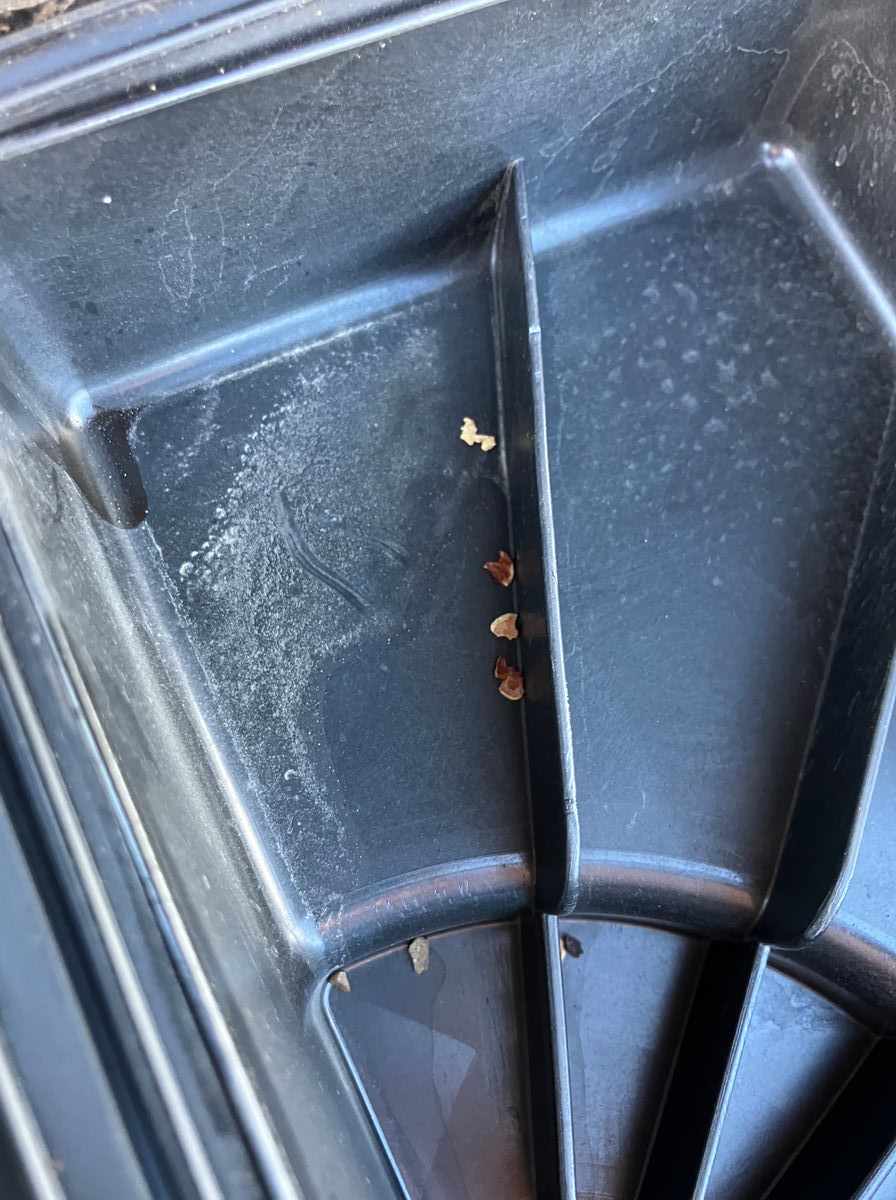
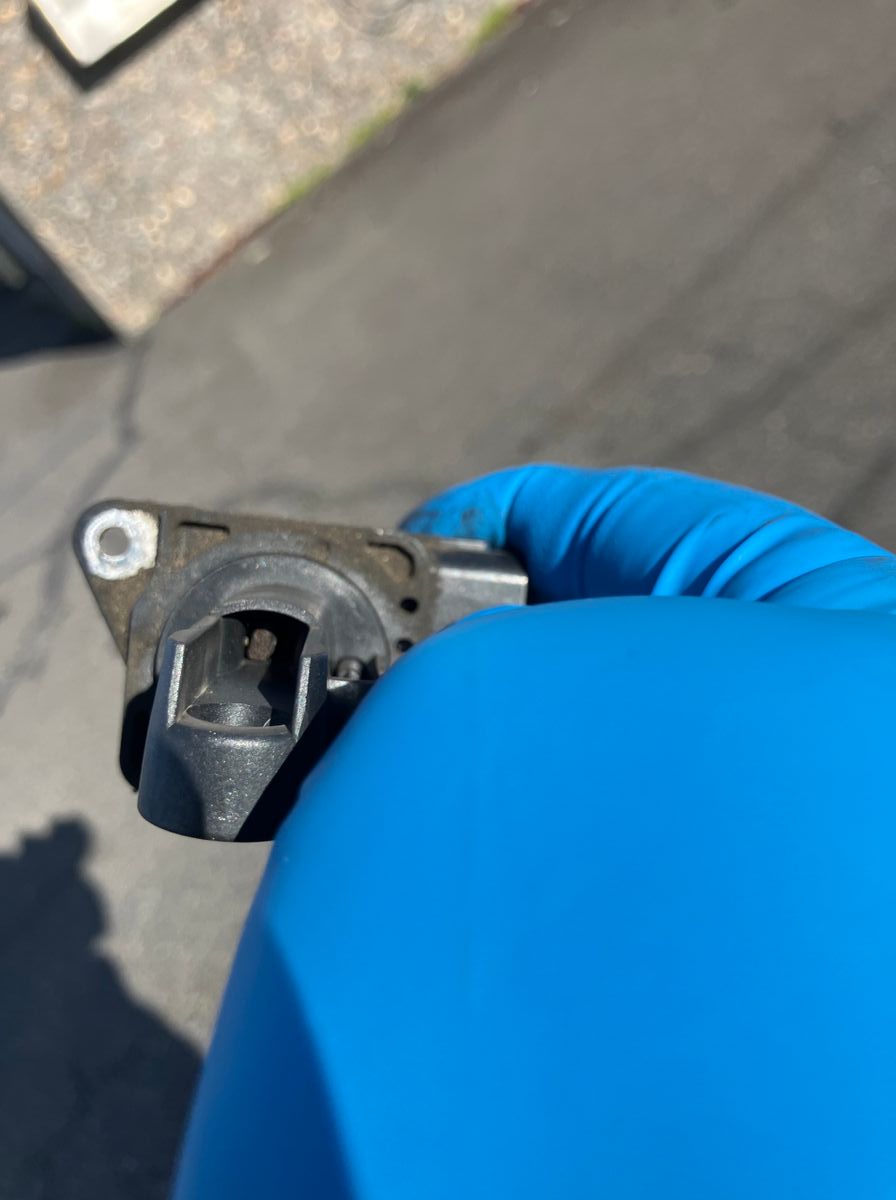
We pulled the mass air flow sensor out and found rat droppings sitting right on the sensor filaments. That contamination was feeding the engine computer bad air readings, which caused it to cut fuel to the engine entirely. The car wouldn’t start because the ECU thought something was seriously wrong with the air-fuel mix, even though the real problem was just a dirty sensor.
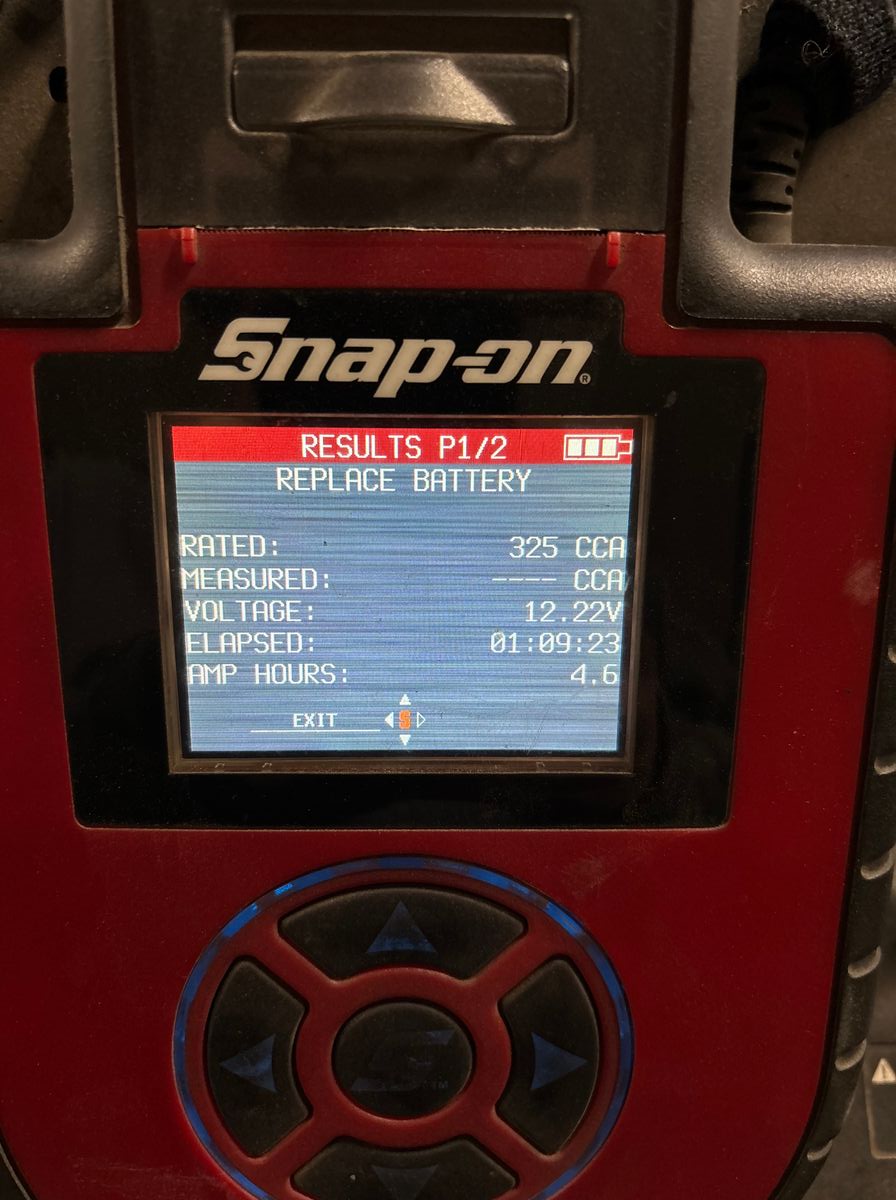
We also ran a load test on the 12v battery per the owner’s request. It failed. AAA had measured it at roughly 6 volts, and given that it was the original battery from 2019 — about 7 years old — that tracked. The battery was genuinely toast, but replacing it alone would not have gotten the car running.
The fix
We cleaned the MAF sensor, cleared the fault codes, and replaced the 12v battery. Test drove the car and everything ran normally. Started right up, no warning lights, no hesitation.
What this means for you
P3190 and P3191 can look like fuel system problems, but the real cause can be something completely unrelated. In this case, rodent contamination on a sensor was mimicking a fuel delivery failure. The dead 12v battery was a real problem too, but fixing it alone would not have solved anything. Two separate issues stacked on top of each other, and only one of them was actually keeping the car from running.
If you get your air filter checked or replaced during an oil change, debris can fall into the air box and land on the MAF sensor. Most shops don’t think to check for that. A contaminated MAF sensor can cause confusing symptoms that point you in the wrong direction — and if this happens right after a service visit, it’s the first thing worth checking.
Related reading
- Mice in Your Toyota! Prevention, Detection, and Solutions
- 2008 Toyota Prius P0A0F P3193: Wouldn’t Move
- 2007 Prius Warning Lights Door Locks Water Leak Fix
- Prius keyfob not detected: how an aftermarket security system killed the car
- A tire chain said “urgent” brakes and tires at 47,000 miles. Here’s what we found.
Questions about your car? Text us at 503-969-3134 — it’s the fastest way to reach us.
About the author: Travis Decker is the owner of Atomic Auto in Portland, Oregon, and an ASE Master Technician (L1, L3). Atomic Auto specializes in Toyota, hybrid, and EV service.